Los Angeles is the second-largest city in the United States, with an estimated population of over four million people, making it a center for tourism in America. With its lively streets filled with all things glitz and glam, it attracts nearly fifty million tourists each year.
On my first-ever trip to Los Angeles, I was surprised to see what the city was actually like, and how it differed from New York City— which is a mere three-hour drive back home. I focused my day around the most popular spots, Melrose Avenue, and Hollywood Boulevard. Both of these places are spots that tourists make sure to hit on their trip to the City of Angels when they’re not walking down the Hollywood Walk of Fame, or hiking to the Hollywood Sign to get that perfect Instagram picture.
As I approached the Hollywood Walk of Fame, I watched as families bent down to pose in front of the infamous tiles. I saw as girls laid down next to their favorite artists as they pointed to the bright pink star. As I looked around, tourists were surrounding me. I couldn’t help but to focus on the other things that surrounded me— the piles of trash lining the street. I watched as teenagers set their coffee cups down for a picture. I watched them walk away, without picking up their cups. I couldn’t help but think about where that cup would end up. Would it land in our oceans? Would it stay on the side of the road for months? Would it end up in the stomach of a seagull? Afterall, that plastic cup could potentially stay on this Earth for up to ten-thousand years.
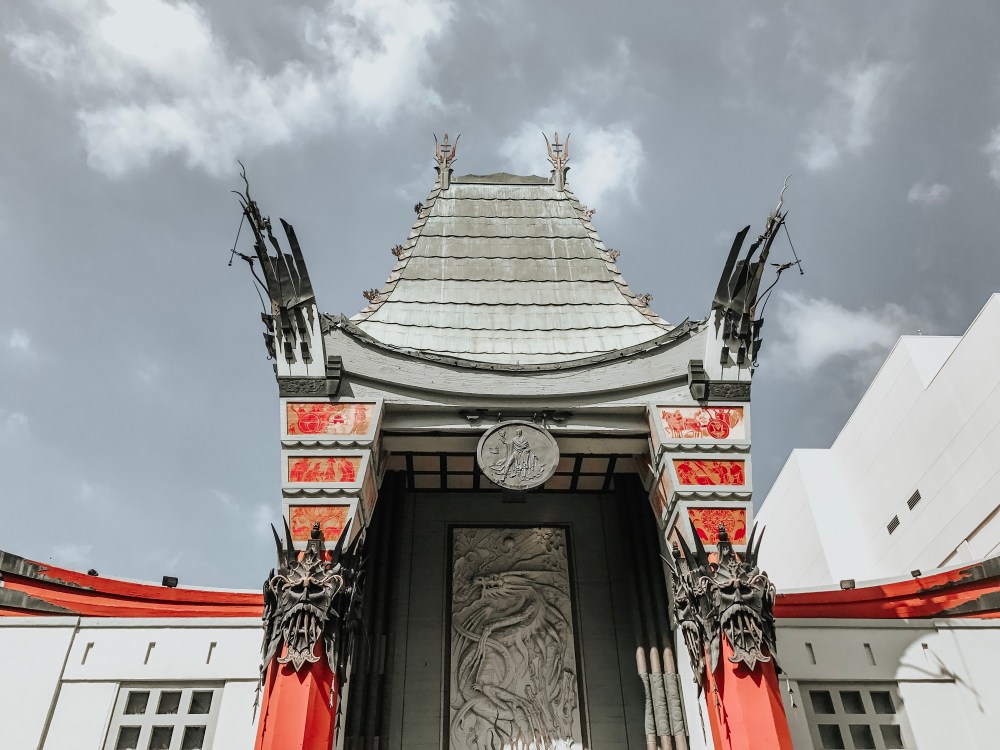
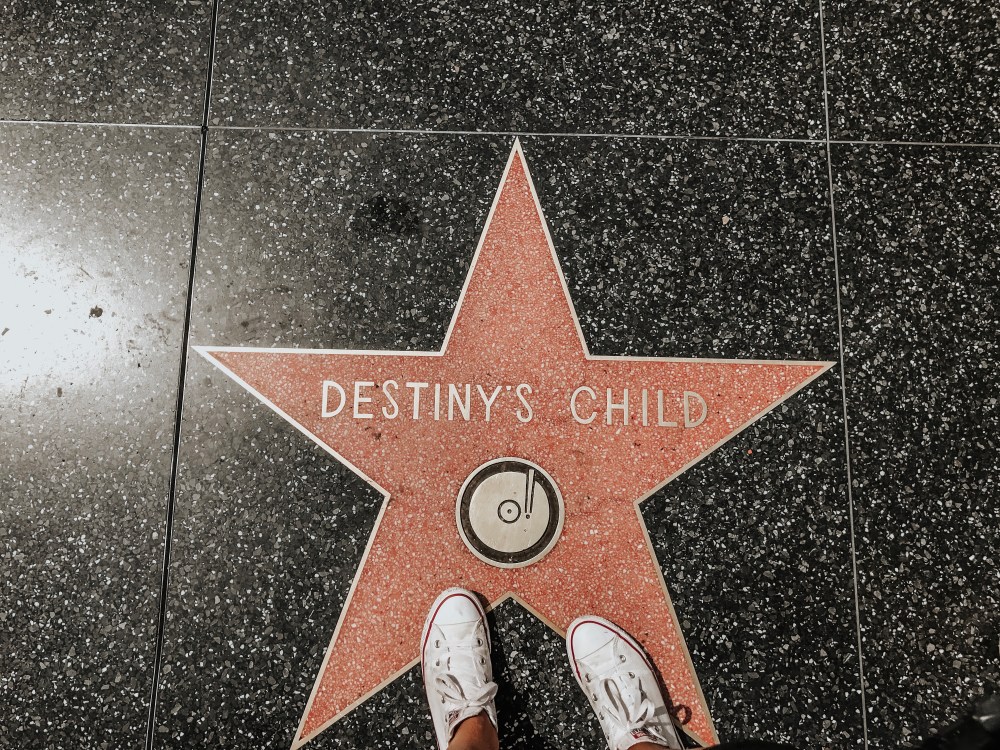
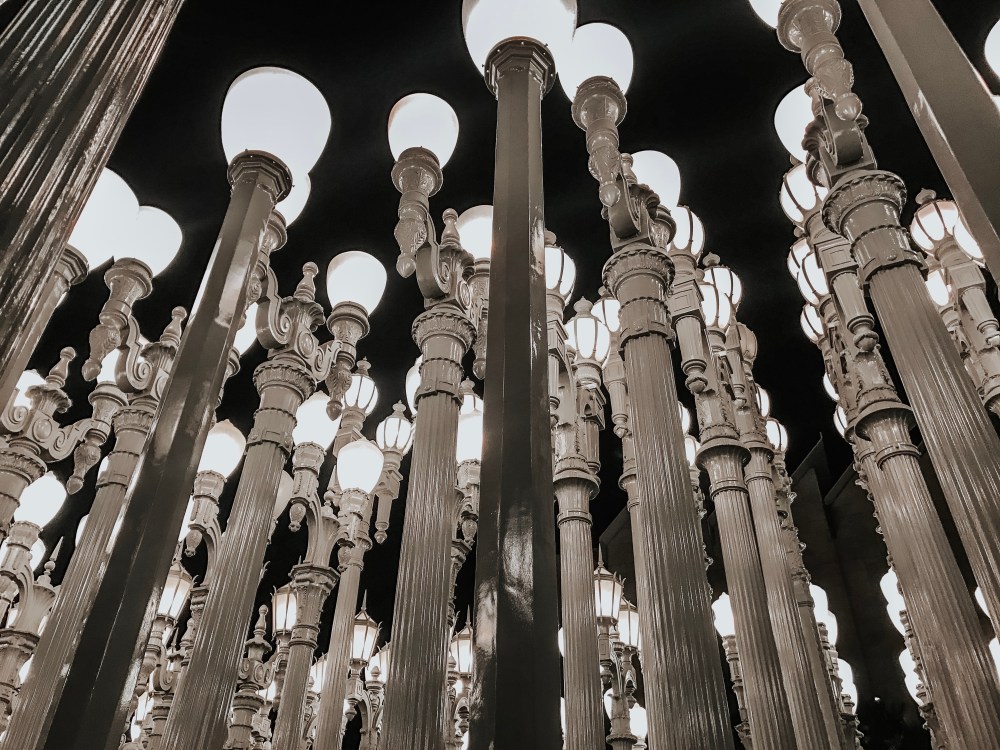
Various photos i've taken while exploring the most "touristy" spots in L.A.
Tourism has led to several forms of pollution around the city of Los Angeles; air pollution is the most significant factor. The increase in tourism profoundly impacts the amount of littering and waste left in the city. Frequently, this waste ends up in rivers and the ocean— which contributes to the issue of pollution in our oceans. During my trip, I could not help but to notice the massive amounts of waste left behind on the streets and surrounding areas.
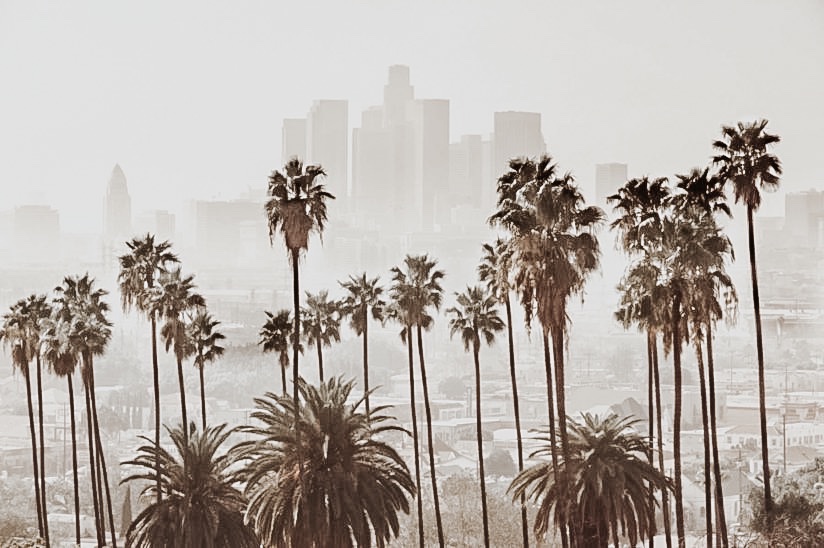
The dense toxins in the air around Los Angeles.
Although my day was filled with the glamourous over-priced activities within the city, I couldn’t help but look around at all the tourists with their phones in-hand, taking pictures of absolutely everything, and ask myself what this means for the future of Los Angeles. Would the city’s air become unhealthy for the inhabitants? Would the waste begin to destroy the world-famous beaches? Will the film industry have to relocate?
Tourism has been proven to help Los Angeles financially, but at what cost? The high usage of motor vehicles, diesel engines, factories, and boat ports all contribute to the massive amounts of chemicals in the surrounding areas, known as smog. According to a study done by Environmental Health Perspectives, pulmonary-disease and cardiovascular disease admissions to a Los Angeles hospital were significantly related to nitrogen dioxide, a key chemical found in the foggy air.
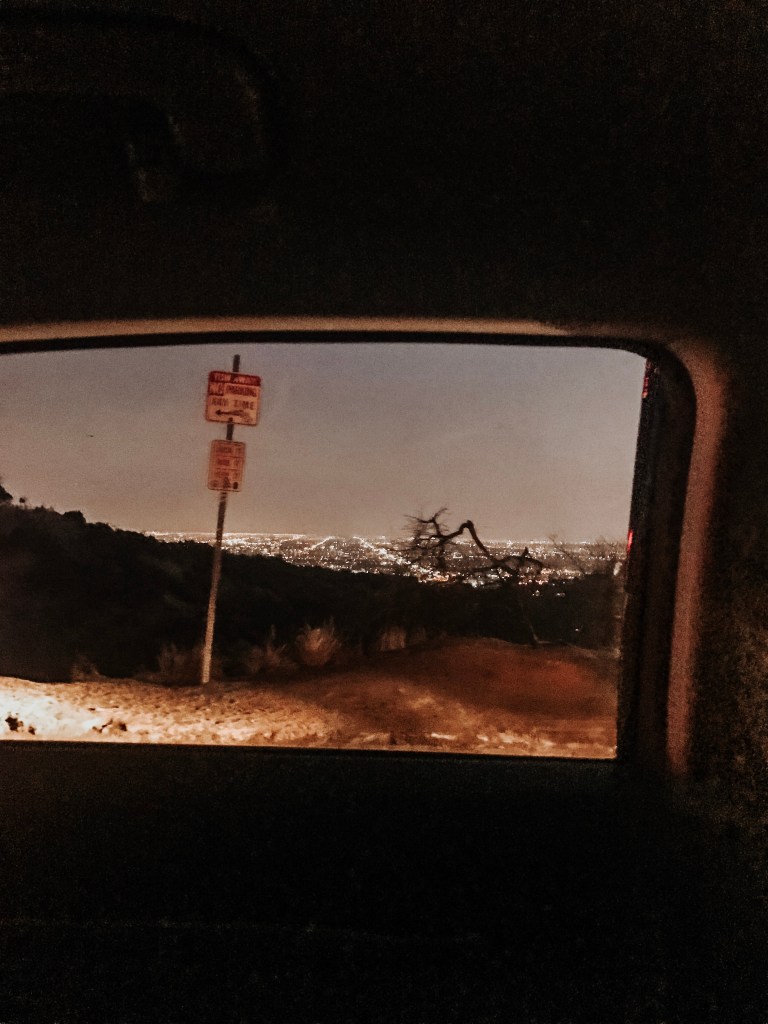
My trip consisted of many great eats and a lot of Instagram-worthy pictures being taken. However, I couldn’t help but think about all the cars on the freeways, and driving through the narrow streets— all contributing to the pollution that hangs above us. When nightfall dawned on us during my visit, I noticed the sky above me was empty, no stars, no planets, not even a single plane could be seen. This was crazy to me, since I live in the vast forests of upstate New York, where stars are standard to see at night. It made me more appreciative of my home, and that I can look up most nights and see the stars glistening from above.
Another aspect of pollution that I noticed was the waste on the streets. As I walked around, I could see several pieces of trash and debris on the side of the roads. I saw many recyclable, plastic, take-out containers rolling down the side of the road. It takes just two seconds to throw your trash into a garbage can nearby. I could not believe the amount of garbage that lined the streets. I noticed most of it was solely on the tourist-filled streets, such as Melrose Avenue— a popular spot for shopping and photoshoots. I can only infer that this is primarily due to the influx of people visiting these spots every day. I felt upset, because these popular locations are becoming a landfill and eventually will not have any significance.
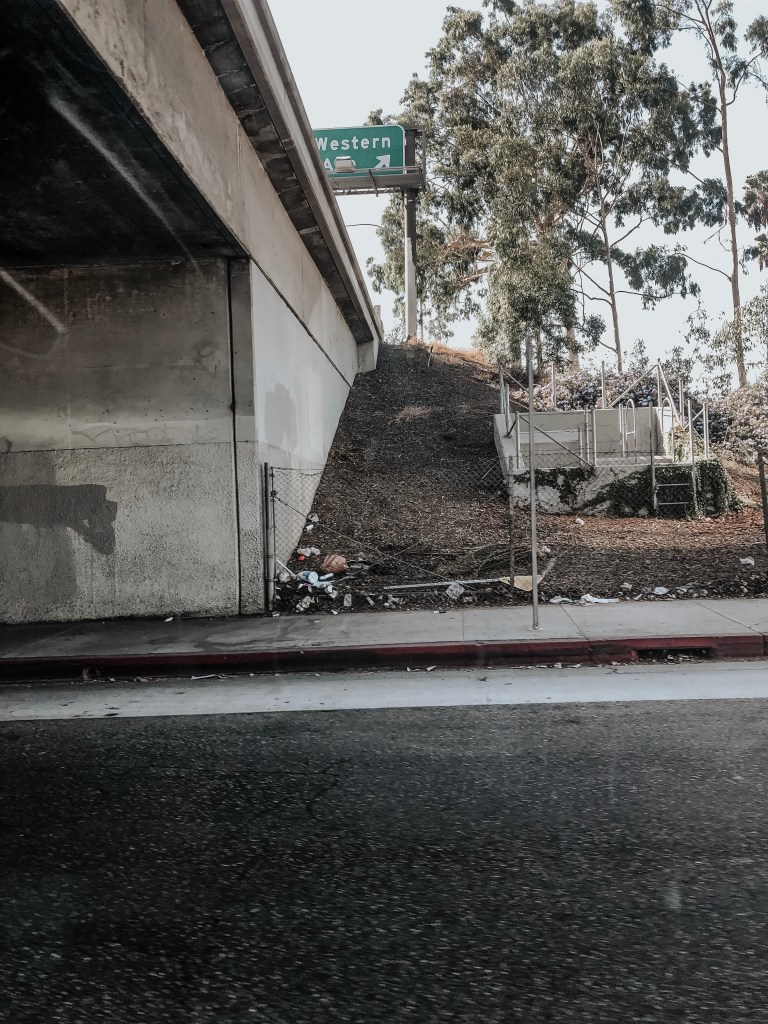
Trash on the street while driving into Los Angeles.
To gather more information about how pollution affects the people who live in Los Angeles, I was able to talk to my classmate Madi, who is a freshman here at Chapman. Madi lives approximately thirty minutes from the heart of Los Angeles. I asked her about her experiences with pollution, and how she thinks we can change our ways to benefit the environment further.
Me: Can you recall a story where pollution affected you personally?
Madi: Sometimes when I drive, and I look at the sky, I am able to visibly see a layer of air pollution. When I used to drive over the hill on the way to [high] school every day, my brother would sometimes ask “why’s it so cloudy today?” I knew that it wasn’t clouds— it was in fact, pollution hanging over Los Angeles.
Me: What can we do to fix the environmental impacts that tourism is having on Los Angeles?
Madi: I think that carpooling is a huge thing especially when coming in and out of the city. I know my dad and uncle would always carpool when they went to work because their work is fourty minutes from our house. As well, people shouldn’t keep their engines running. I am very bad at this especially when it’s hot out and I want to keep the air on.
Me: Have you noticed any increase in tourism in Los Angeles? How has this impacted you personally?
Madi: I noticed that traffic has gotten worse over the past few years, and that commuting to Downtown Los Angeles has become increasingly harder. I feel like I go to Los Angeles less now that it is constantly overcrowded. The city has lost its appeal to me, which is sad because there is so much in the city that I have yet to explore.
So, what do we do about it? How can tourists sustainably visit the heart of Hollywood? I’m not at all advocating for the end of tourism, because frankly, the city depends on it as a source of income. However, we need to change our ways and fast.
One of the primary sources of air pollution around the world is motor vehicles. According to the City of Los Angeles Public Health, cars and trucks account for more than 50% of all emissions nationwide. However, in cities with a dense population such as Los Angeles, the emissions are even more significant. To combat this, carpooling or using public transportation when commuting can make a huge difference, even just one day. Most tourists in Los Angeles use ride services such as Uber or Lyft to get around when exploring. Using features such as rideshare options can help limit the amount of pollution exerted. As well, for locals, many companies have implemented incentives such as free public transportation to their employees to reduce the impact.
Also, tourists can use reusable items such as bags, drinkware, straws, and utensils to limit the amount of single-use plastic being left behind. According to korwater.com, using reusable products have many positive effects on the environment. The website argues that using these items releases fewer toxins into the air, are less likely to end up in a landfill, and help protect our oceans and marine life.
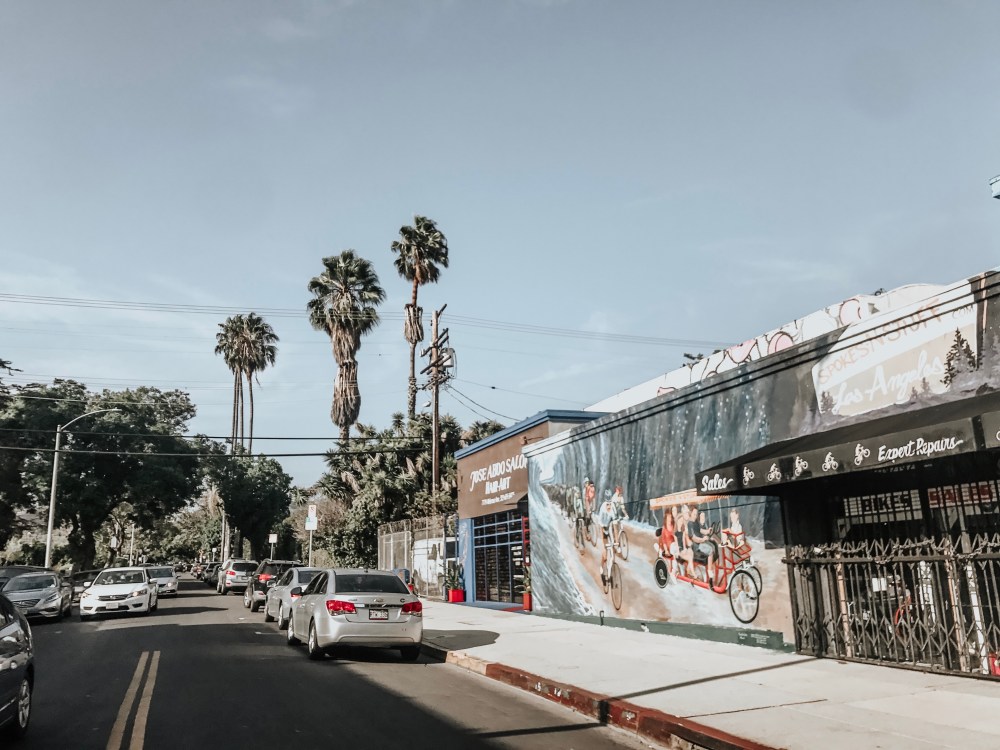
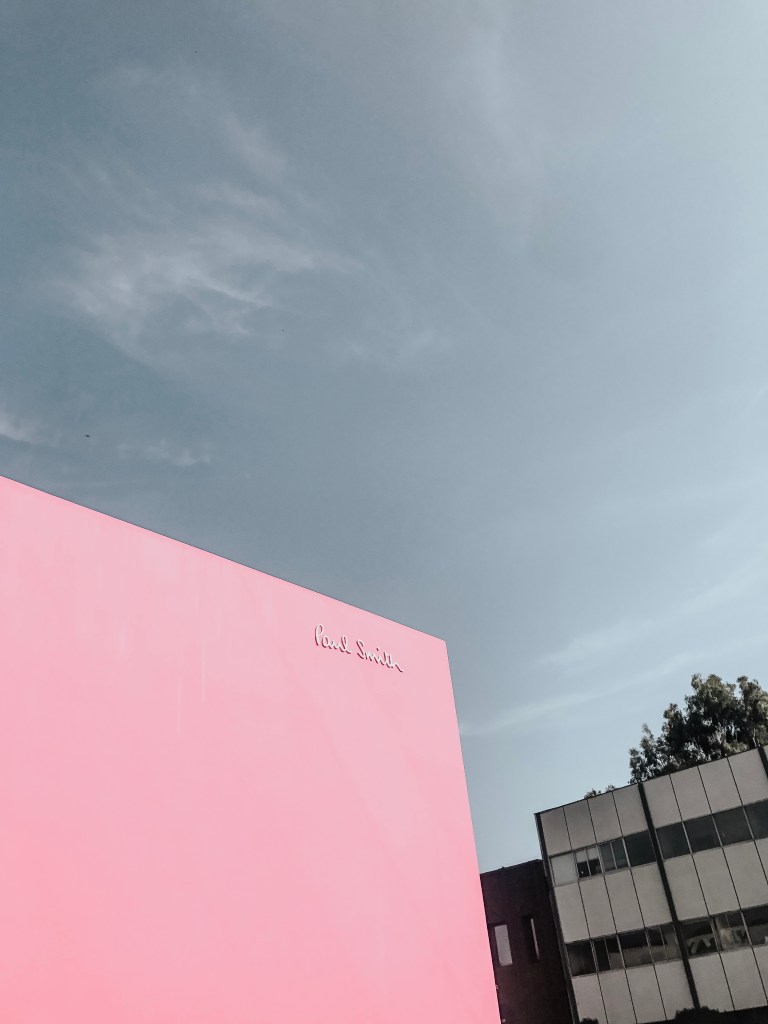
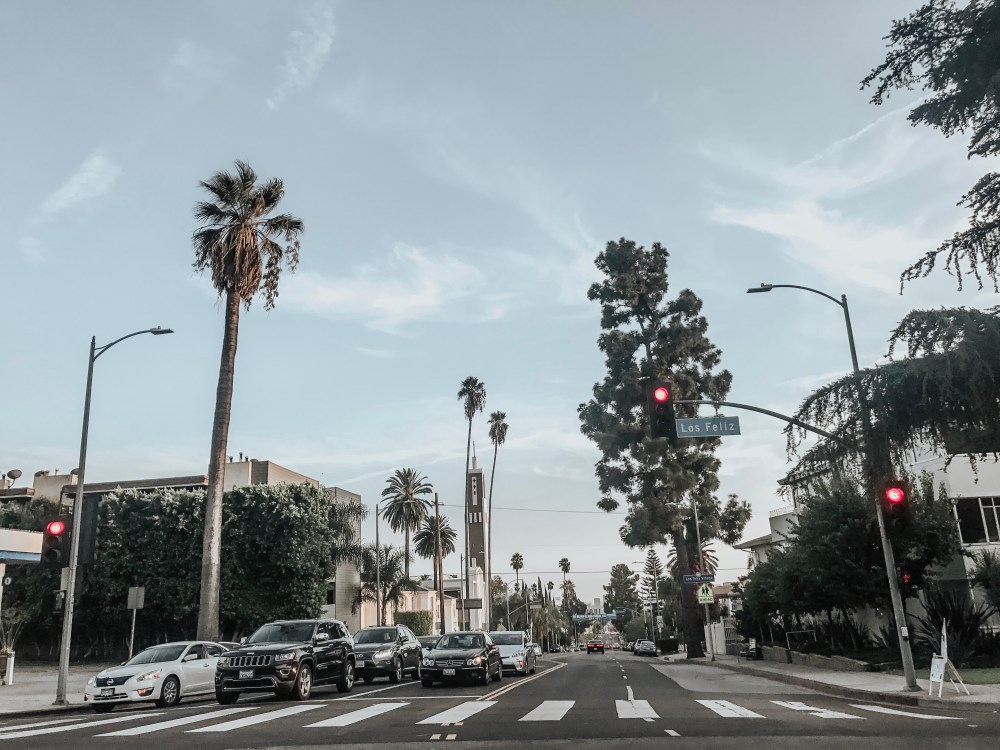
Pictures from my day in Los Angeles.
Despite the issues that Los Angeles is having with over-tourism, it is still a fantastic city to visit, and my time there was something I will never forget. From visiting Griffith Park to walking down Hollywood Boulevard, the atmosphere and vibe in the city are truly unmatchable. If we, as tourists, become a little more aware of the bigger issues, we can visit the City of Angels without contributing to the environmental issues the city faces.
 Giovanna Sestito