Italy has been a massive part of my childhood since the day I was born. My name, Giovanna, is derived from the name Giovanni, which happens to be my father’s name in Italian. Growing up, I was always immersed in Italian culture. Each year, I help my Nonni (grandparents) make hundreds of gallons of red wine. They were both born in Calabria, Italy but later migrated to America in 1959. Currently, they live in the part of Troy, NY known as “Little Italy” and take immense pride in their traditions. However, their version of Italy is vastly different from mine, since I have never been there before and have only seen it through social media and the internet.
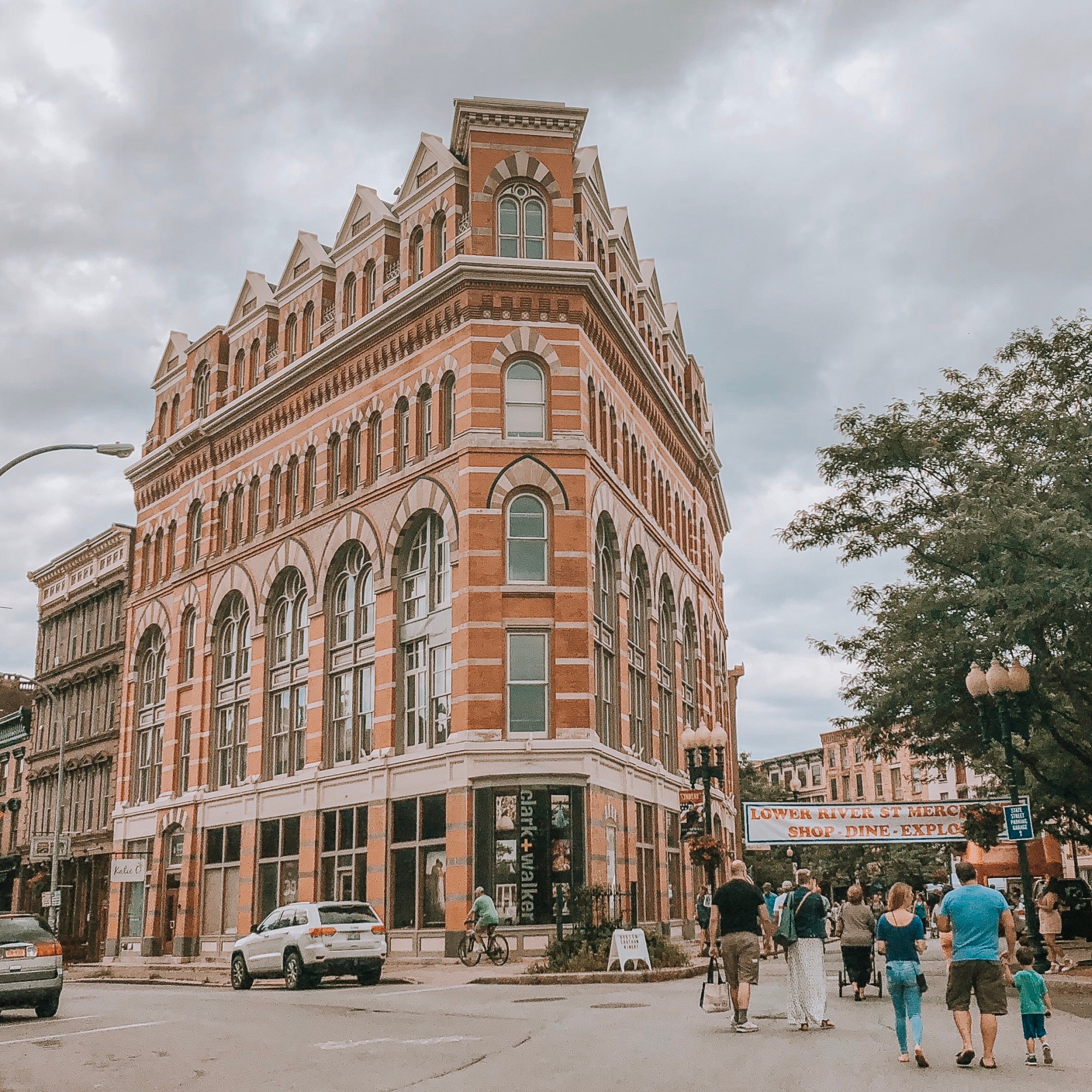

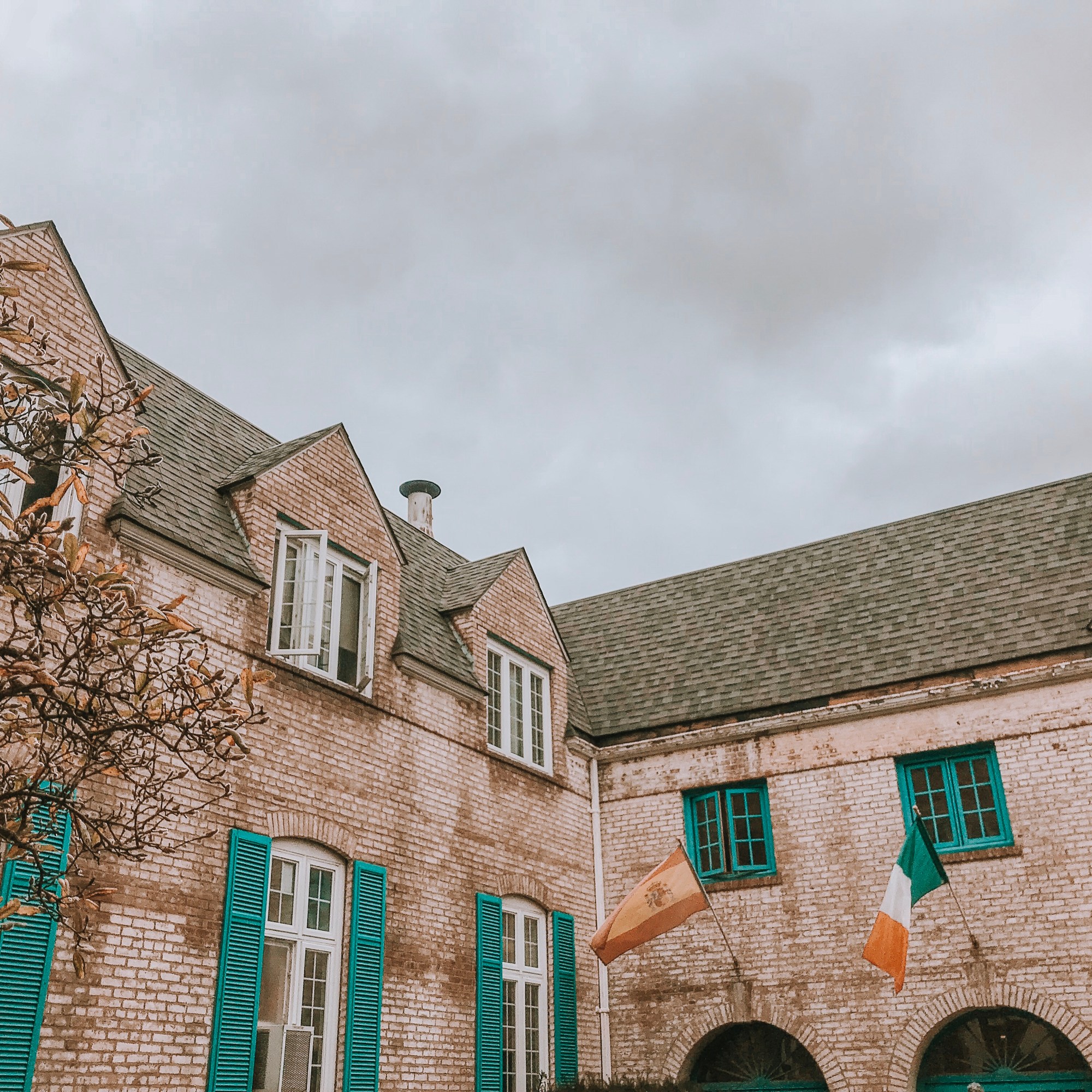
Troy, NY. "Little Italy"
When I think of Italy, I often think of the Leaning Tower of Pisa, the Coluseum, or sometimes I think of The Lizzie Mcguire Movie. However, Italy is so much more than just pasta and wine. This stereotype of Italy that has formed is often referred to as the “tourist gaze.” According to The Tourist Gaze by John Urry, “The gaze is constructed through signs, and tourism involves the collection of signs.”
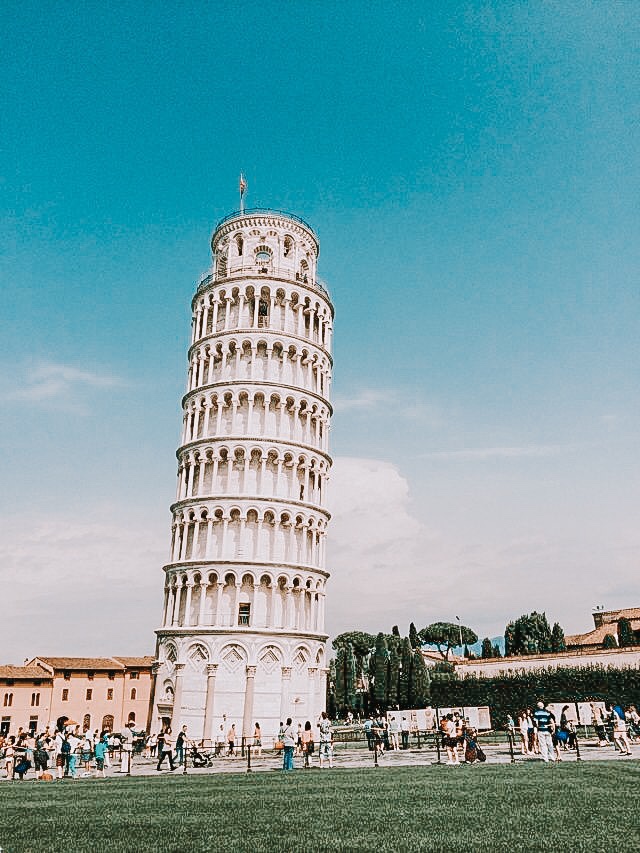
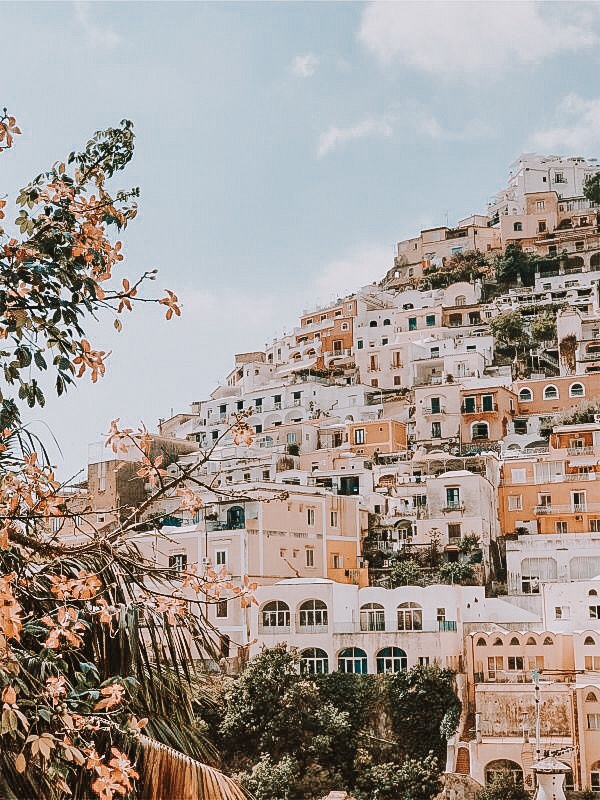
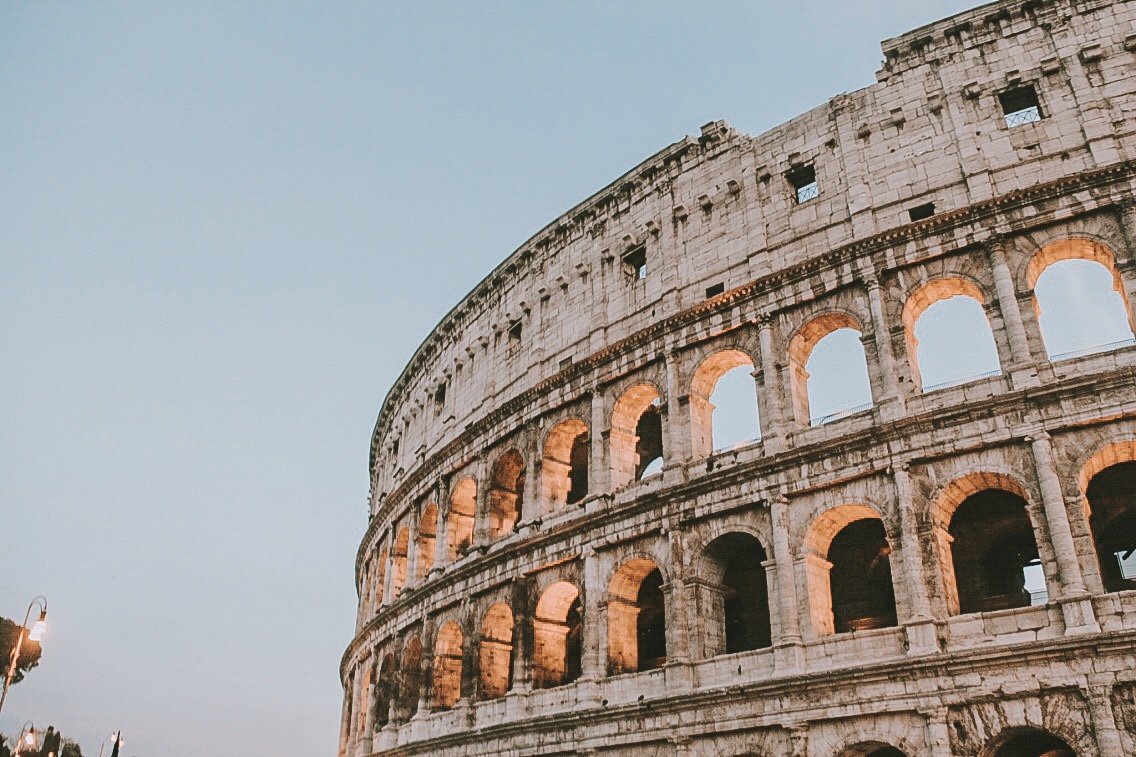
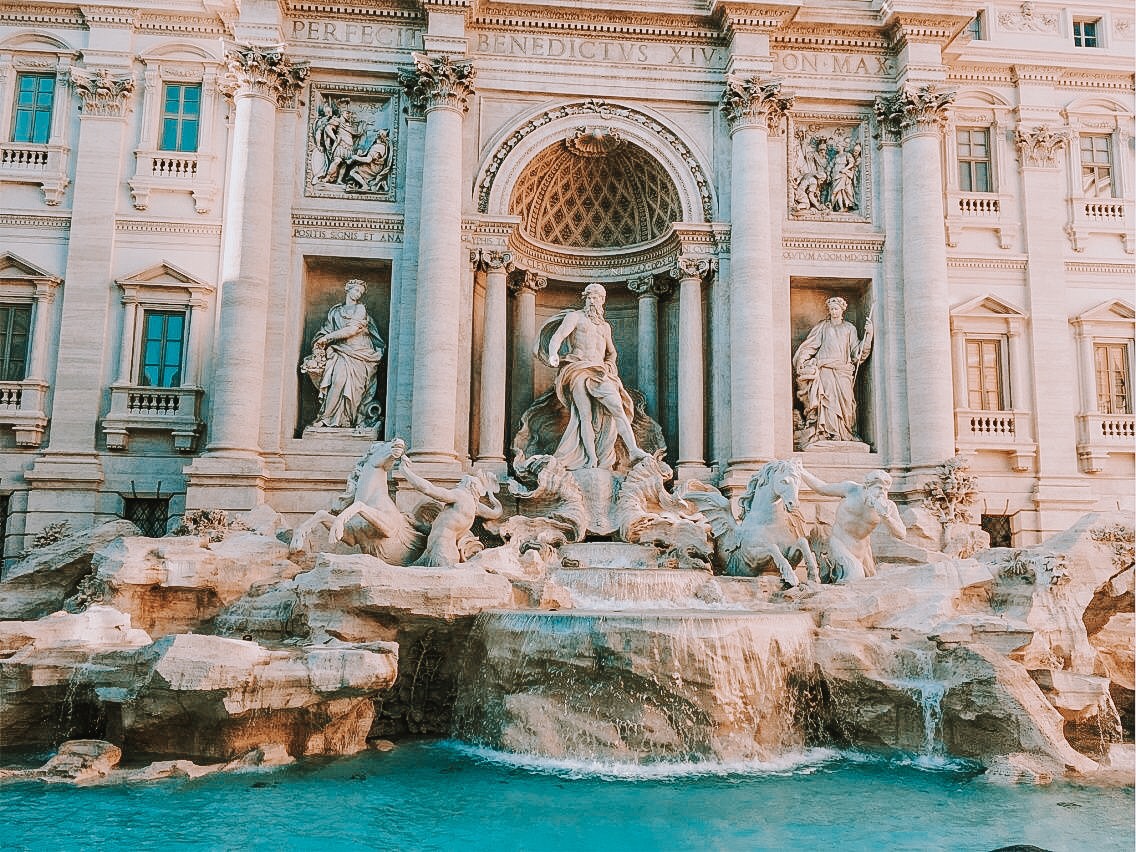
Italy through the eyes of a tourist.
Although many portrayals of Italy are filled with pasta and the Leaning Tower of Pisa, episode eight, season ten of Anthony Bourdain’s “Parts Unknown,” goes past the tourist attractions and explores Southern Italy, more specifically, the “heel of the boot.” Bourdain starts his research by making it clear to viewers that the regions he will be visiting may be less populated, but they are filled with culture and history. Through the episode, Bourdain is drawn back in time. He explores unscathed landscapes and small villages. This aspect is extremely important to me, since my grandparents migrated from an area very similar to the part that Bourdain explores.
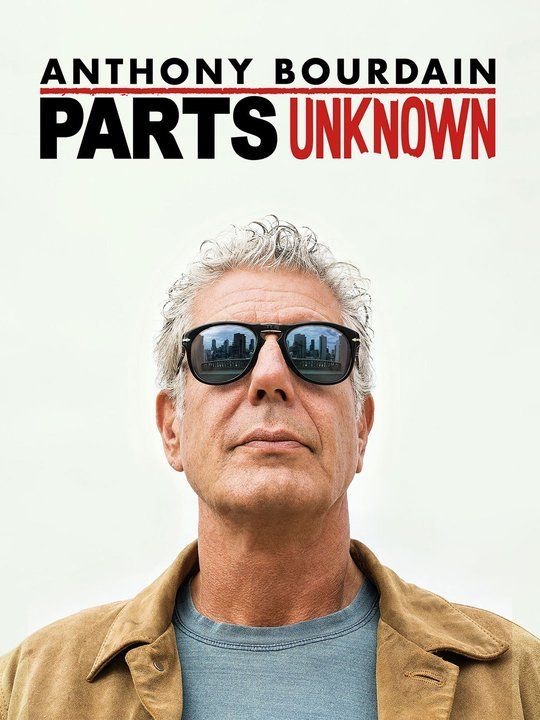
Promotional Poster for Anthony Bourdain's "Parts Unknown."
In the first scene, Bourdain uses cinematography in the form of rich scenery and everyday life in Italy to help viewers understand the area that he will be exploring. This area is much more than the stereotypes it has been given. By introducing this episode with several scenes, he already began to deconstruct the preexisting ideas of what all of Italy is like. He does not show any famous tourist destinations, but instead highlights normal aspects of life in Italy, which I admire.
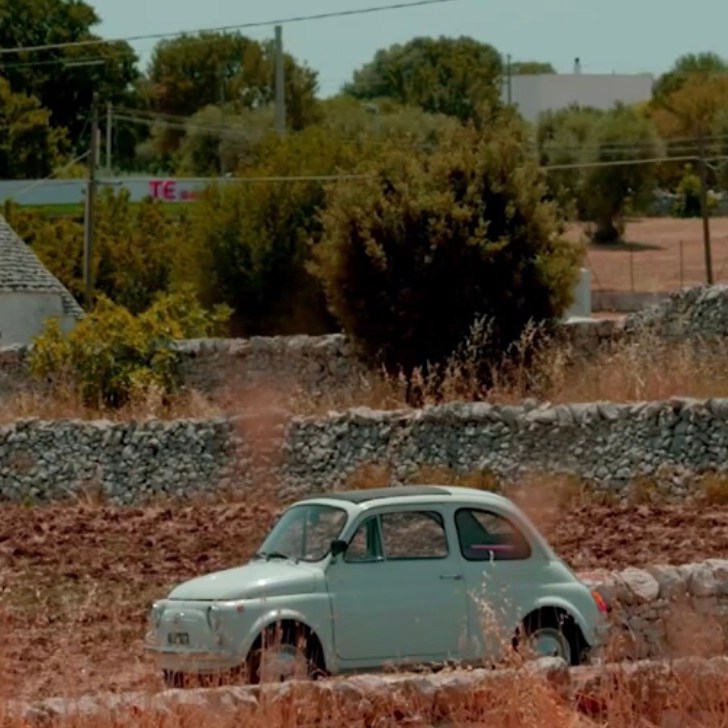
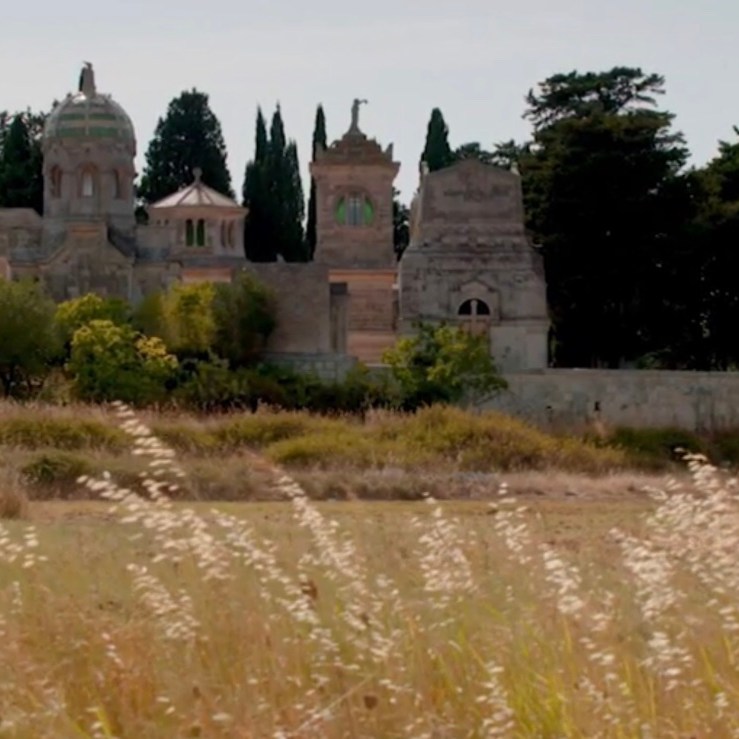
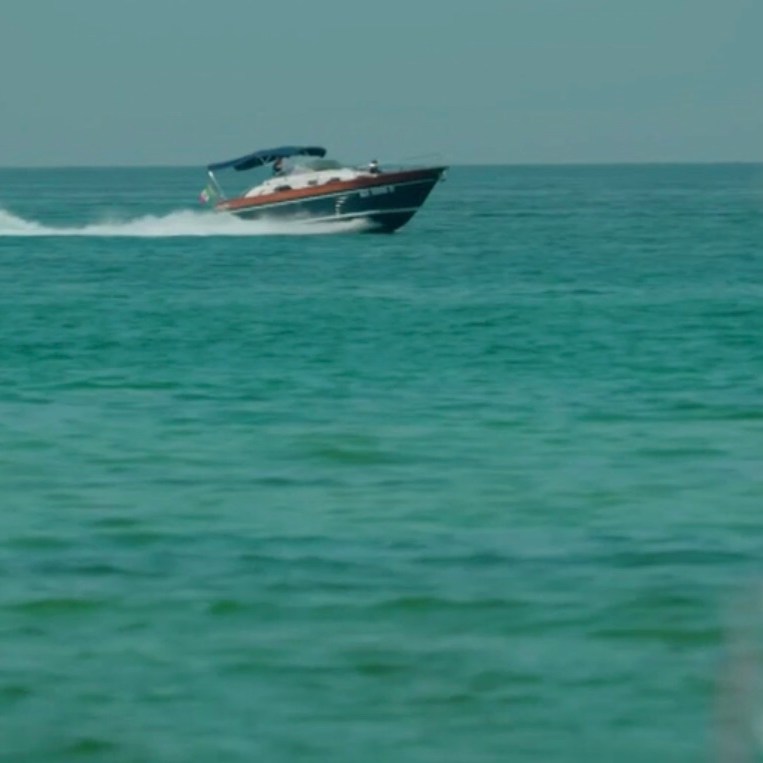
Southern Italy- "The Heel of the Boot."
During the first few minutes of the episode, Bourdain is seated while eating a traditional Italian meal. In this scene specifically, the camera angle used makes viewers feel as if they are sitting opposite of him, enjoying the same meal. In addition, Bourdain goes into vast detail when describing his food, which contributes to the feeling of being there with him. The form of multimodality used intices readers and encourages them to become immersed in the episode.
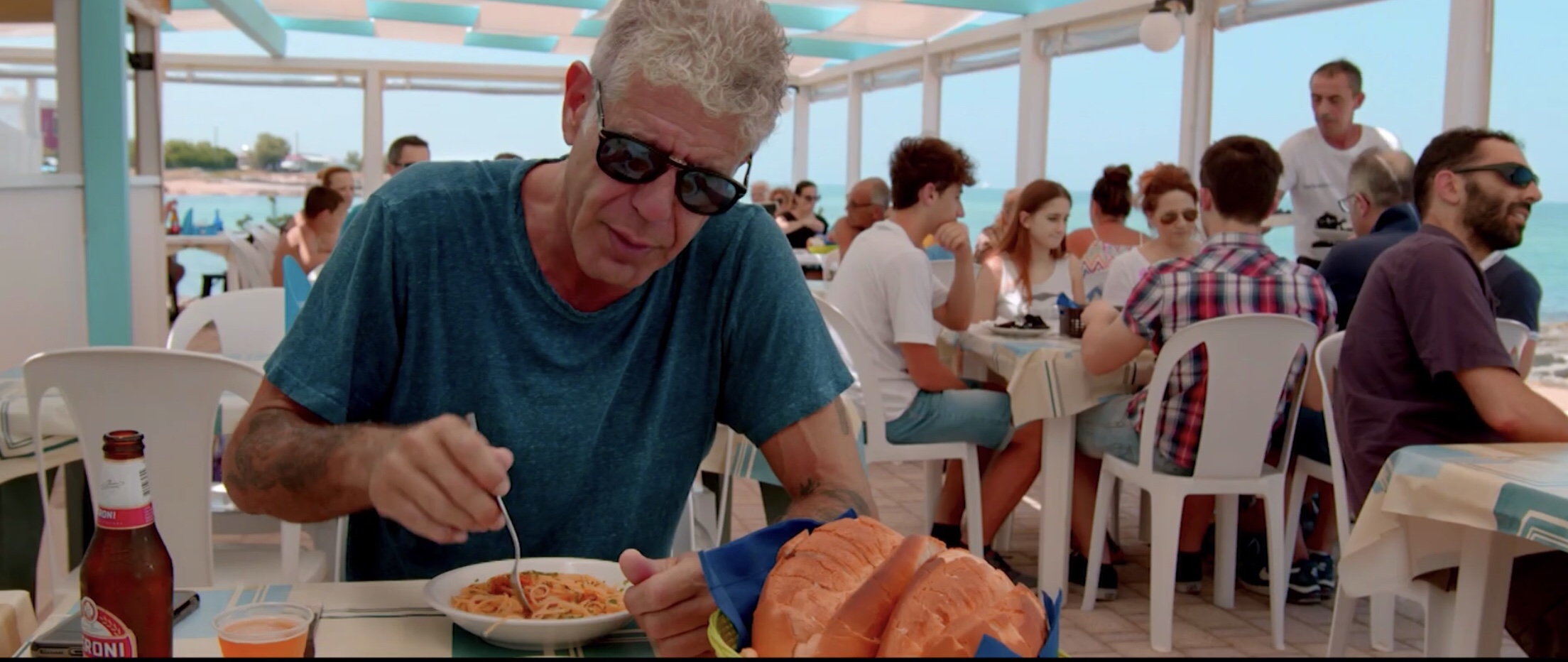
Anthony Bourdain eating his meal.
Furthermore, Bourdain ties his adventure back to the United States by introducing Francis Ford Coppola. Coppola is an American film director, producer, screenwriter, and film composer. Coppola and Bourdain share dinner as Coppola recalls his family history in southern Italy. This segment of the episode evokes pathos, a feeling of sadness, for Coppola as he reveals the hardships his family faced, from being displaces to growing up in a traditional society.
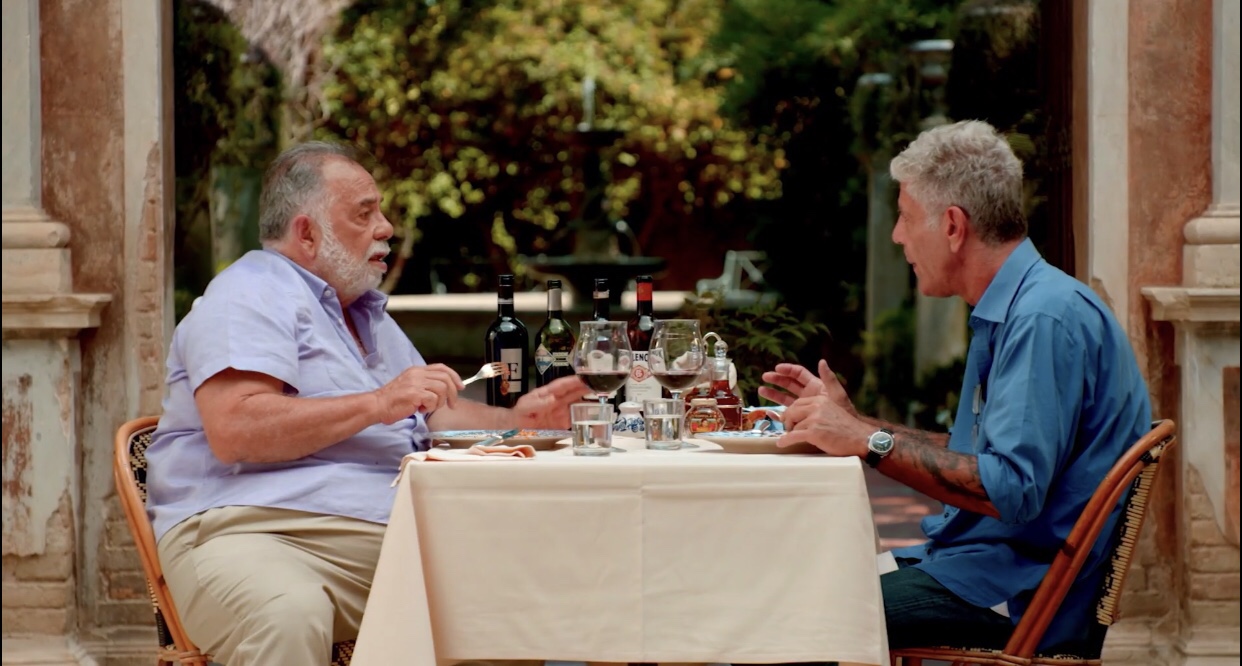
Bourdain and Coppola enjoying dinner together.
Overall, this episode does an extraordinary job debunking traditional stereotypes that have been given to Italy in the past. One stereotype that has previously been given to Italians is that they only eat traditional pasta and pizza. Growing up, I was always asked about the amount of pasta I ate, it was like people thought that was all I ate. According to Nestpick.com, “every little town differs and serves up their own style so you’ll never eat the same pizza twice.” Although the pizza and pasta offered in each region of the country varies, that’s not the only thing that Italians consume. Bourdain deflates this stereotype by exploring a plethora of different foods such as lamb brains as well as Ricci Di Mare, an atypical Italian dish with home-made pasta that’s sprinkled with sea urchins.
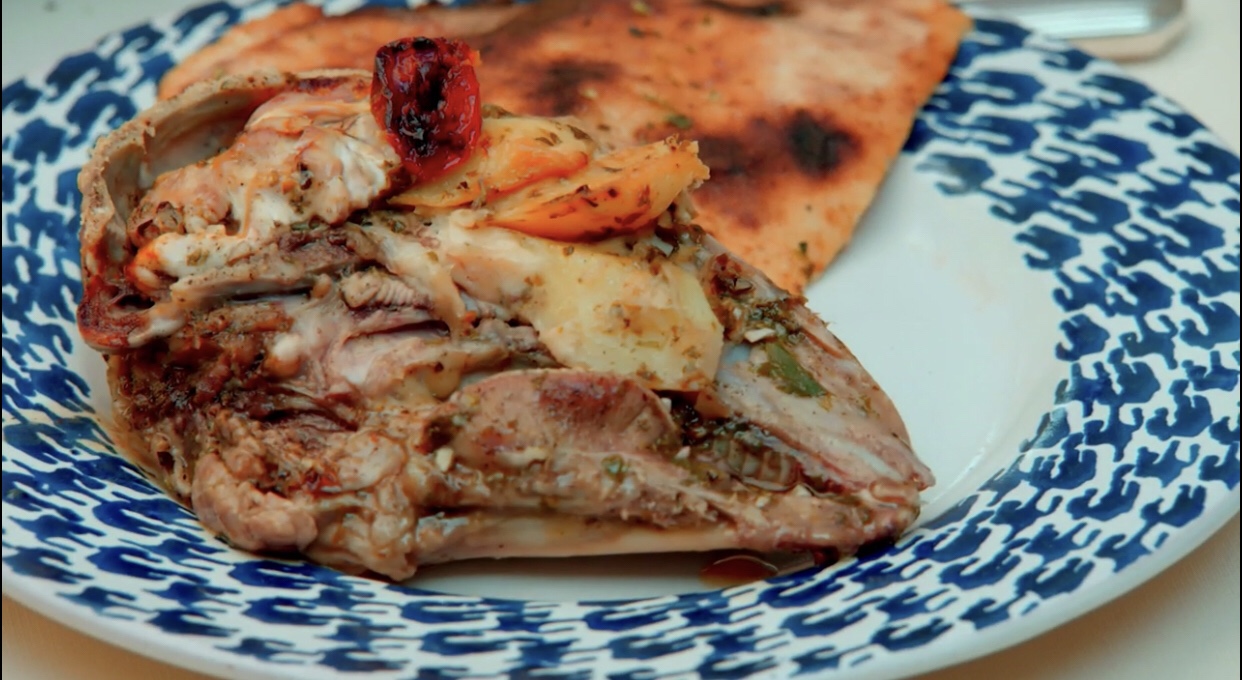
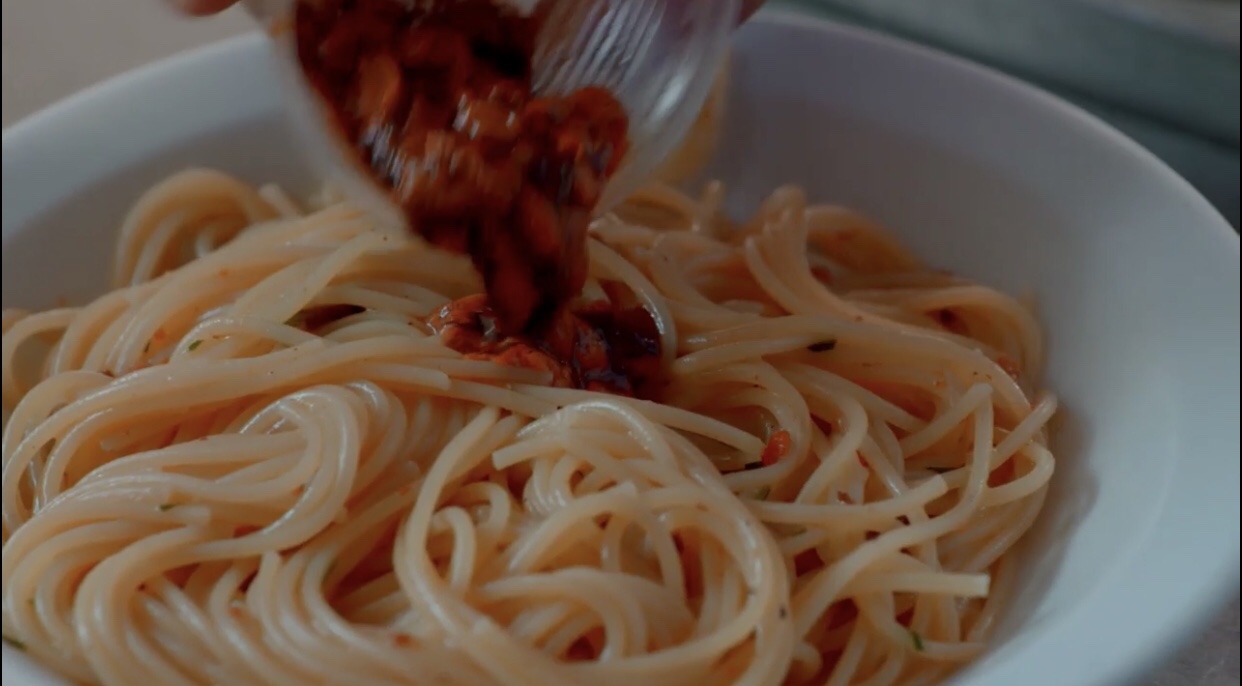
Lamb Brains (Left) and Ricci Di Mare (Right)
Through this episode, Bourdain has showed me an area that I have never seen before. He highlights a community filled with love, life, and astounding food. The area of Southern Italy that he explores is identical to Calabria, a place that is close to my heart. Although I have yet to have the chance to visit the “heel of the boot” and meet my relatives, Bourdain helps me feel more connected to my heritage and has made me more aware of what Italy is actually like.
 Giovanna Sestito